Get Barbed Wire Fence Installation
Local contractors can install barbed wire fences to secure property boundaries, prevent intrusions, and protect livestock or assets effectively.
Barbed wire fence installation is a practical solution for property owners looking to secure boundaries, protect livestock, or establish clear property lines. Whether setting up a new perimeter or upgrading existing fencing, choosing the right local contractors can ensure the work is completed efficiently and effectively. Property owners in the area often explore this service to enhance security, prevent trespassing, or manage land use more effectively.
As you consider your fencing project, comparing options among experienced local service providers can help identify the best fit for your needs. Many contractors specialize in installing durable, reliable barbed wire fences suited to various property types and purposes. Continuing to explore your local choices can lead to a solution that aligns with your property’s requirements and long-term goals.
- Perimeter Security - property owners seeking to secure their boundaries can rely on local contractors for professional barbed wire fence installation.
- Agricultural Boundaries - farmers and ranchers needing to contain livestock or protect crops often require sturdy barbed wire fences.
- Industrial Enclosures - businesses looking to secure construction sites or industrial areas may need durable fencing solutions provided by local service providers.
- Wildlife Control - landowners facing issues with unwanted wildlife intrusion can benefit from expert barbed wire fencing to deter animals.
- Property Demarcation - individuals wanting clear and secure property lines may contact local pros for effective fencing installation.
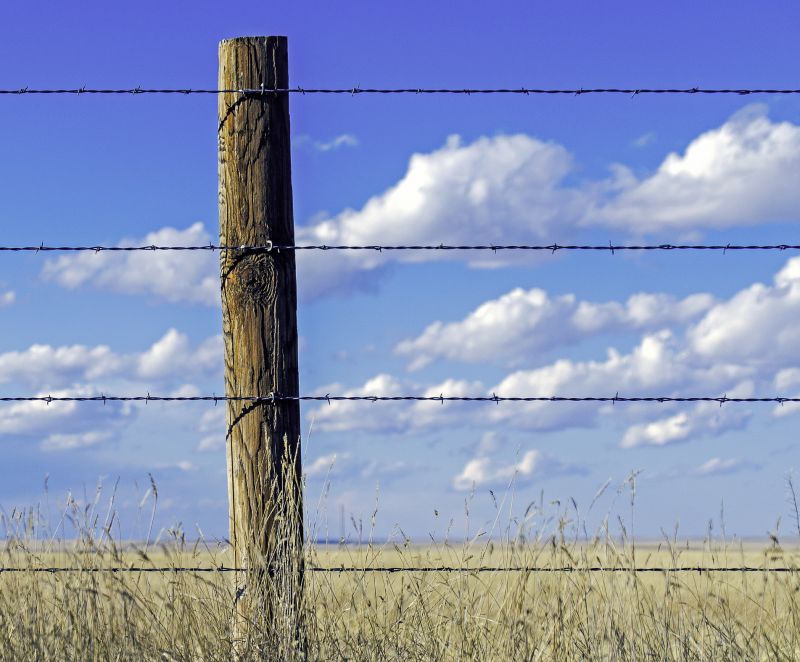
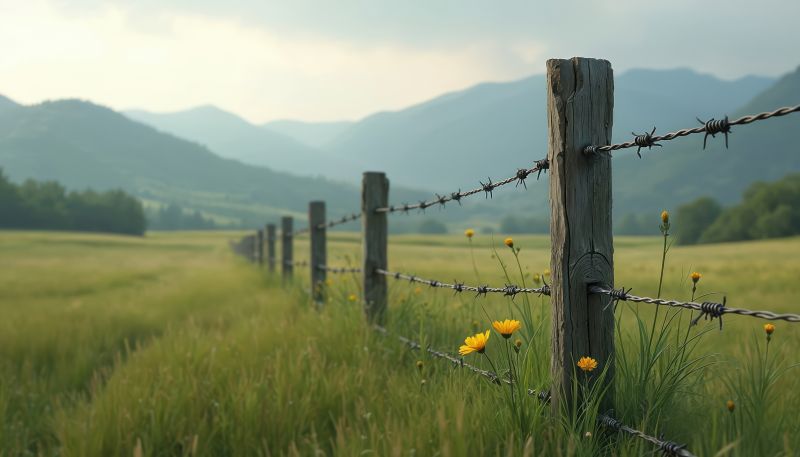
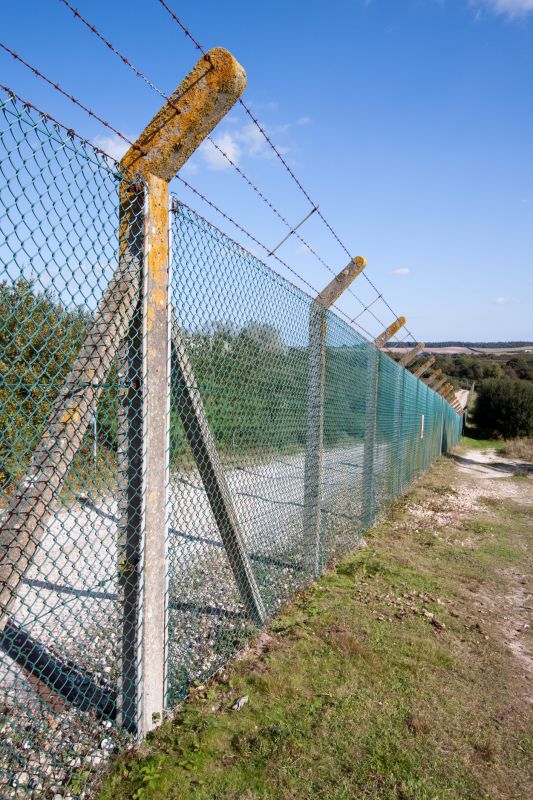
Barbed wire fence installation involves setting up a durable barrier composed of wire strands with sharp barbs at intervals. This service typically includes measuring and planning the layout, preparing the land, and securely attaching the wire to sturdy posts. The goal is to create a strong, visible boundary that can withstand various weather conditions and provide long-lasting security. Experienced service providers understand how to install barbed wire effectively, ensuring the fence remains functional and effective over time.
This type of fencing addresses several common problems for property owners. It is often used to deter trespassers, prevent animals from crossing property lines, or protect valuable assets from theft or intrusion. Barbed wire fences can also serve as a physical barrier to keep children or pets within a designated area. When property boundaries are unclear or when extra security is needed, installing a barbed wire fence offers a practical solution that enhances safety and privacy.
Properties that typically utilize barbed wire fences include rural farms, ranches, and agricultural land, where livestock need to be contained and protected. Commercial properties and industrial sites may also use this fencing to secure perimeters and prevent unauthorized access. Additionally, some homeowners in rural or semi-rural areas choose barbed wire fences to mark boundaries or deter wildlife from entering their property. The versatility and effectiveness of this fencing make it suitable for a wide range of property types that require a tough, reliable barrier.
For homeowners considering a barbed wire fence, it’s important to understand when this type of fencing is appropriate. It is often chosen when a cost-effective, high-security solution is needed to protect large or open areas. Barbed wire fences are also suitable for properties that require a visible boundary to discourage trespassing or animal intrusion. Connecting with local contractors who specialize in fence installation can help determine the best fencing options for specific property needs, ensuring the right solution is chosen for security, boundary marking, or containment purposes.
The overview below groups typical Barbed Wire Fence Installation projects into broad ranges so you can see how smaller, mid-sized, and larger jobs often compare in your area.
In many markets, a large share of routine jobs stays in the lower and middle ranges, while only a smaller percentage of projects moves into the highest bands when the work is more complex or site conditions are harder than average.
Smaller Repairs - Typical costs for minor repairs or fence patching generally range from $50 to $200 per section. Many routine repair jobs fall within this lower band, depending on the extent of the damage and materials needed.
Basic Fence Installation - Installing a new barbed wire fence on a standard property usually costs between $1,000 and $3,000. Most projects in this category land in the middle of this range, with fewer reaching the higher end for larger or more complex setups.
Full Fence Replacement - Replacing an entire existing fence can range from $4,000 to $8,000 or more, especially for larger properties or high-security requirements. Larger, more intricate projects tend to push into the upper tiers, while simpler replacements often stay in the mid-range.
Custom or Commercial Projects - Custom-designed or commercial barbed wire fencing can start around $10,000 and go well beyond $20,000 for extensive or specialized installations. These projects are less common and typically represent the higher end of the cost spectrum based on scope and specifications.
Actual totals will depend on details like access to the work area, the scope of the project, and the materials selected, so use these as general starting points rather than exact figures.
Farm Fence Installation - local contractors skilled in setting up durable fencing systems for agricultural properties often utilize similar tools and planning methods as barbed wire fence installation.
Perimeter Security Fencing - service providers experienced in installing security fences for commercial or residential boundaries share techniques with barbed wire fencing, including site assessment and post setting.
Ranch Fence Construction - ranch fencing projects require expertise in working with wire and post systems, making them comparable in skill and planning to barbed wire fence installation.
Industrial Fence Erection - installing heavy-duty fences for industrial sites involves similar planning and use of specialized tools as those used in barbed wire fencing projects.
Livestock Enclosure Fencing - local contractors familiar with creating secure enclosures for animals often employ similar wire fencing methods and materials as barbed wire installation.
Boundary Line Marking and Fencing - projects that involve marking property boundaries and installing fencing share planning approaches and tools with barbed wire fence services.
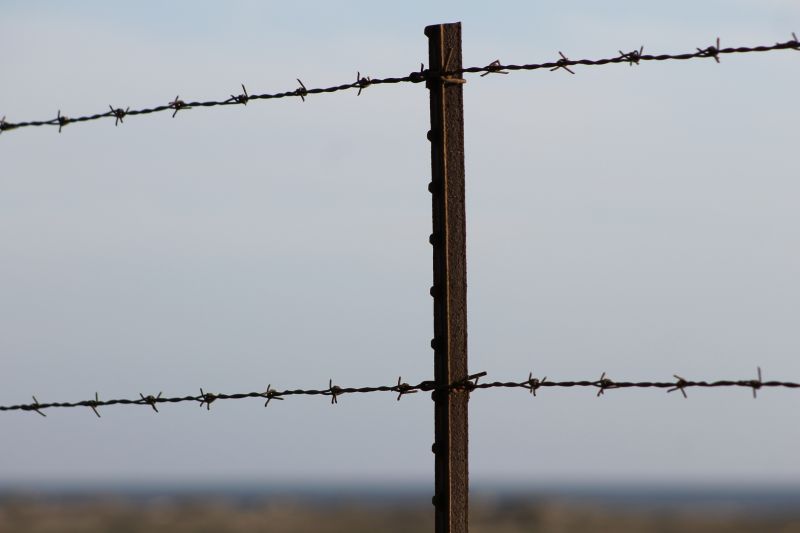
When comparing service providers for barbed wire fence installation, it’s important to consider their experience with similar projects. Look for local contractors who have a proven track record of completing fencing jobs comparable in size and scope. An experienced professional will better understand the nuances of fencing materials, terrain challenges, and installation techniques, helping to ensure the project is handled efficiently and effectively. Asking about past work or reviewing portfolios can provide insight into their familiarity with barbed wire fencing and their ability to meet project requirements.
Clear, written expectations are essential when evaluating potential providers. A reputable contractor should be able to provide a detailed description of the work scope, including materials, installation methods, and any necessary preparations. This clarity helps prevent misunderstandings and ensures that both parties are aligned on the project’s goals. Homeowners should seek service providers who communicate their plans openly and provide documentation that outlines the process, so expectations are transparent from the start.
Reputation and communication play a vital role in selecting the right local contractor. Reputable service providers often have references or testimonials from previous clients that can attest to their reliability and quality of work. Good communication is equally important; a professional who responds promptly and clearly to questions demonstrates a commitment to customer satisfaction. By focusing on these aspects, homeowners can find local pros who are trustworthy, transparent, and capable of delivering a successful barbed wire fencing project.
Property owners use Barbed Wire Fence Installation services for practical projects around their homes and businesses. This guide focuses on everyday jobs and straightforward project options.
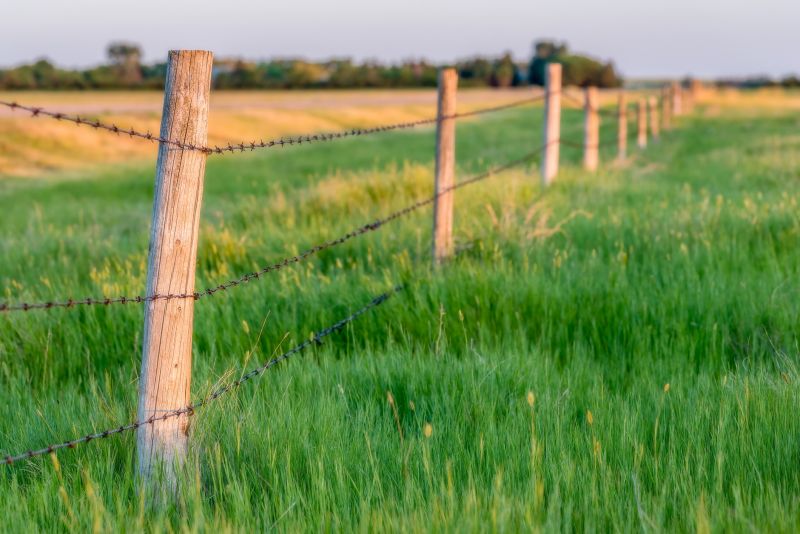
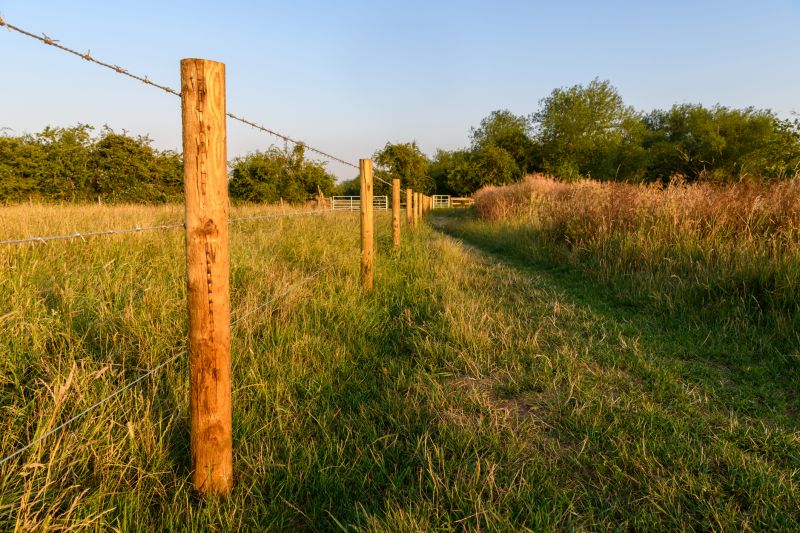
Barbed wire fence installation is a common solution for property owners looking to define boundaries, improve security, or keep livestock contained. Whether a homeowner needs to secure a backyard, a farmer wants to protect crops, or a business aims to prevent unauthorized access, local contractors can provide the expertise needed to complete these projects efficiently. These services are often sought after when existing fences are damaged, outdated, or when property owners are expanding their land or creating new perimeter enclosures.
Many property owners turn to local service providers for barbed wire fencing when they want a durable, cost-effective barrier that can withstand daily wear and tear. This type of fencing is also chosen for its straightforward installation process, making it suitable for various project sizes and types. Whether installing new fencing or replacing old structures, local contractors can help ensure the job is done properly to meet the specific needs of each property.
What types of properties are suitable for barbed wire fence installation? Barbed wire fences are commonly installed on agricultural, commercial, and rural properties to provide security and boundary definition.
How do local contractors prepare for barbed wire fence installation? Contractors typically assess the terrain, mark property boundaries, and plan the fence layout before installing barbed wire to ensure proper tension and durability.
What factors influence the choice of barbed wire for a fencing project? The selection depends on the security needs, property size, and environmental conditions, with options ranging from galvanized to coated varieties for corrosion resistance.
Are there specific regulations or restrictions for installing barbed wire fences? Regulations vary by location; it is advisable to consult with local service providers to ensure compliance with any fencing ordinances or restrictions.
What maintenance is required for a barbed wire fence? Regular inspections for rust, loose wires, or damage are recommended, along with timely repairs to maintain security and effectiveness.
Property Security - Installing a barbed wire fence can help secure a property by deterring trespassers and unwanted visitors.
Livestock Enclosures - A barbed wire fence provides a sturdy boundary to keep livestock safely contained within a farm or pasture.
Perimeter Definition - Defining property lines clearly with a barbed wire fence helps prevent disputes and marks boundaries effectively.
Agricultural Protection - Using barbed wire fencing can protect crops and garden areas from animals and wildlife.
If you are thinking about Barbed Wire Fence Installation for a property, this guide is meant to help you understand the work, the typical project types, and how different options might fit your plans.
When you are ready, you can use the quote form on this page to share a few details about your project. From there, local pros can review the basics and respond with options that match what you have in mind.